CASE STUDY
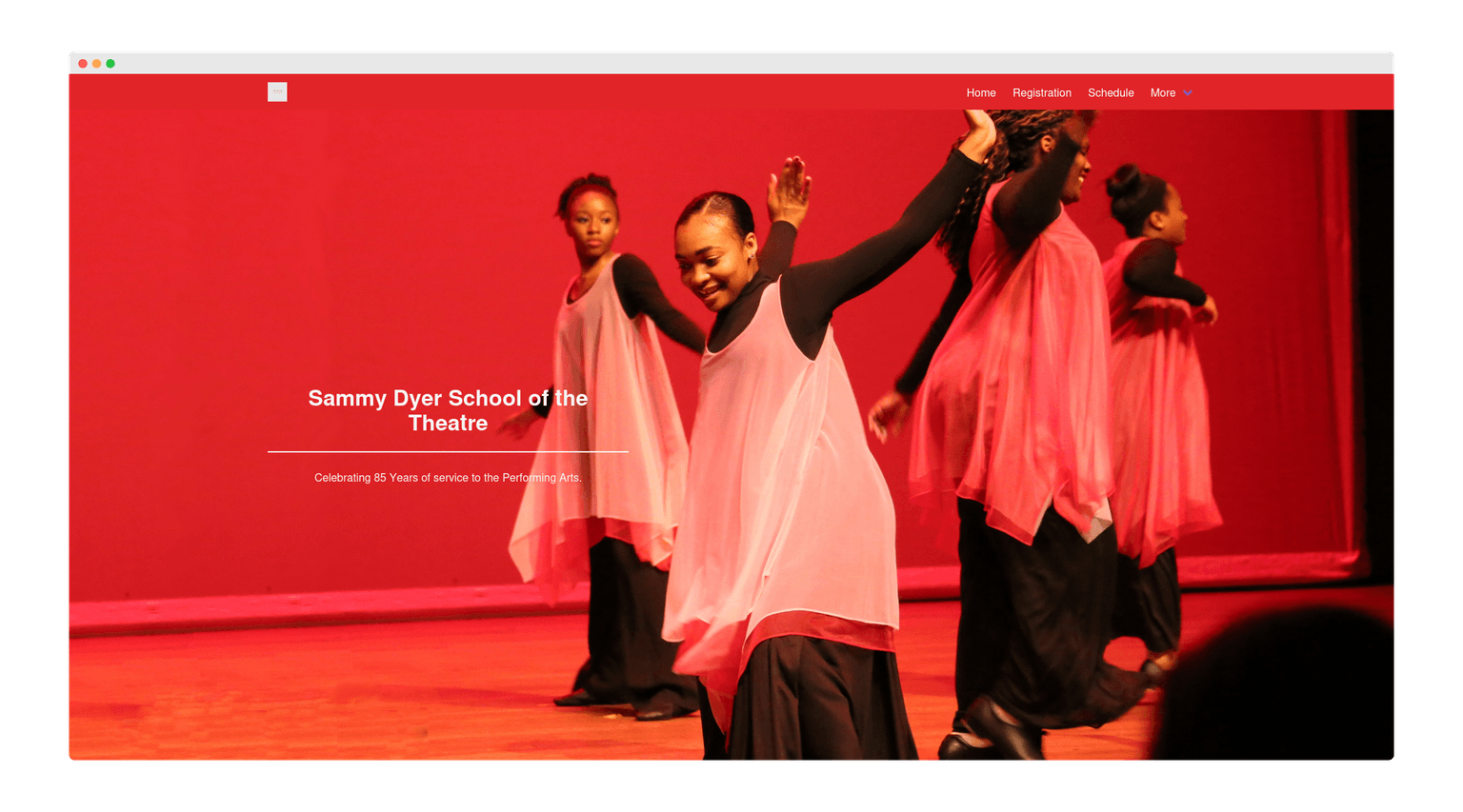
Sammy Dyer Site Redesign: Empowering Clients With Independent Content Management
IMPACT
Empowered client with independent content management and streamlined updates
A full-stack website redesign modernizing an existing site with contemporary web development practices and empowering the client with content management.
TIMELINE
Early career project
ROLE
Full-stack engineer (solo with direct client collaboration)
TEAM
Solo project with direct client collaboration
THE CHALLENGE
The client's website was in desperate need of a redesign, required regular content updates, and had substantial content volume needing migration from the legacy platform.
THE RESULTS
- Delivered a modern, scalable JAMstack website
- Empowered the client with independent content management
- Streamlined day-to-day update processes
- Successfully migrated all legacy content into the new stack
THE SOLUTION
Implemented a JAMstack architecture combining Vue.js on the frontend, Strapi on the backend, and Heroku for deployment. Integrated a headless WordPress CMS path for content management so the client kept familiar editing habits while gaining a modern delivery stack. Worked solo with direct client collaboration through migration and handoff.
TECHNOLOGIES USED
- Vue.js
- Strapi
- Heroku
- Headless WordPress
- Node.js
- Serverless
Project Details
What problem did this redesign solve?
Sammy Dyer School of Theatre needed a modern site that still let non-developers publish updates. The legacy platform held a large content catalog and could not keep up with redesign expectations or a sustainable publishing workflow.
How was legacy content migrated without inventing metrics?
The engagement focused on qualitative outcomes: a complete content migration, a CMS the client could operate alone, and fewer developer touchpoints for routine edits. No measured traffic or conversion numbers exist for this project, so results stay qualitative—independence, migration completeness, and operational clarity.
Why mix Vue, Strapi, and headless WordPress?
Vue.js delivered the public experience; Strapi and Heroku provided an API-backed backend deploy the client could rely on. Headless WordPress bridged familiar content tools with the new front end, reducing training friction while still modernizing architecture. The public demo and source repository remain available for review.
MORE WORK
OTHER CASE STUDIES
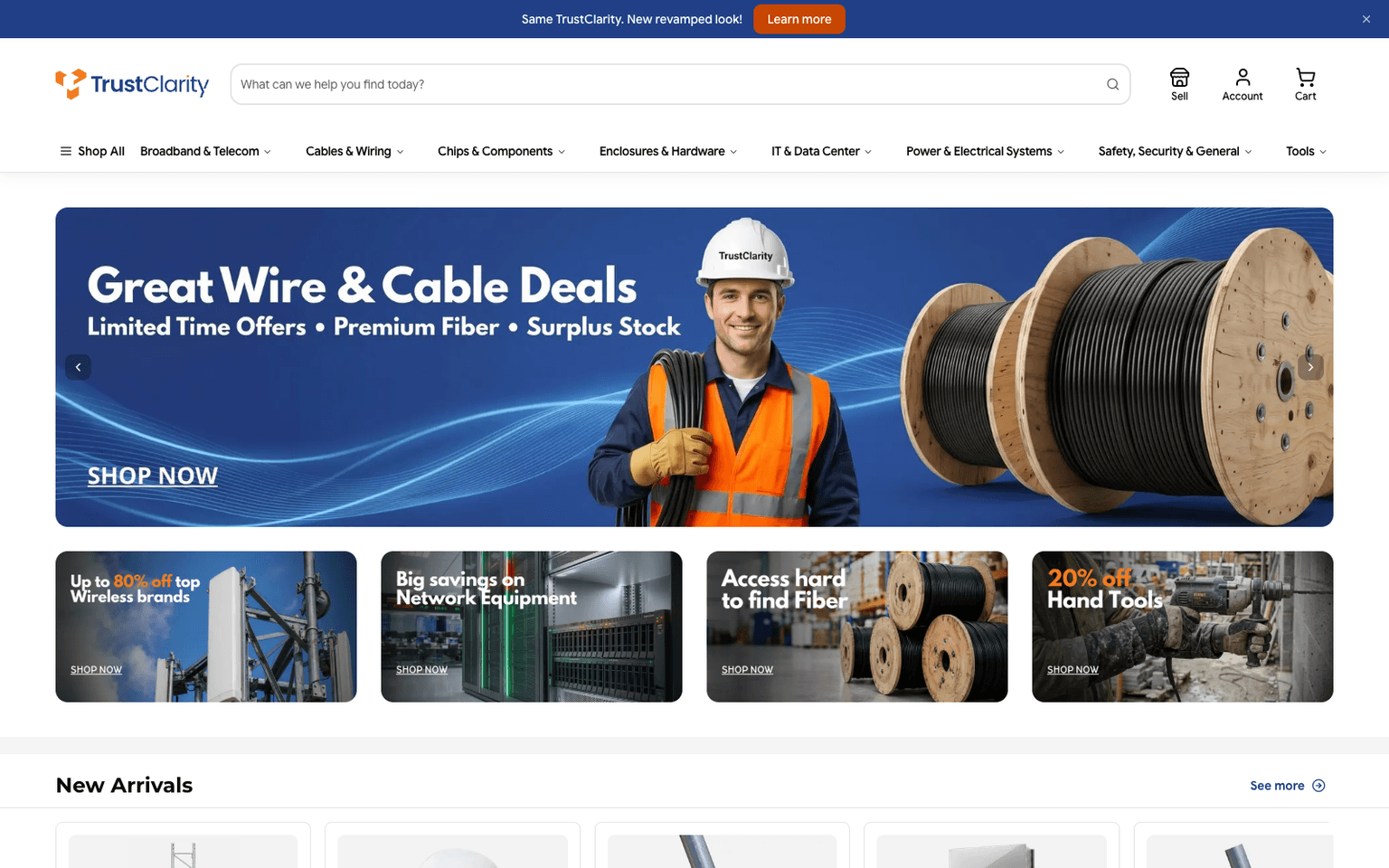
TrustClarity: Buyer Portal Rebuild — Search-First TC 2.0 Platform
IMPACT:
400+ Storybook stories across 130+ components (from 11), WCAG 2.1 AA remediation, RFQ flow with server-side credential fix, and 1,533 lines of storefront code removed for a search-first pivot
React/Next.js rebuild of TrustClarity's core buyer workflows — Figma-to-production, WCAG 2.1 AA, Storybook/Chromatic visual gates, and a search-first architecture that replaced the per-org storefront layer.
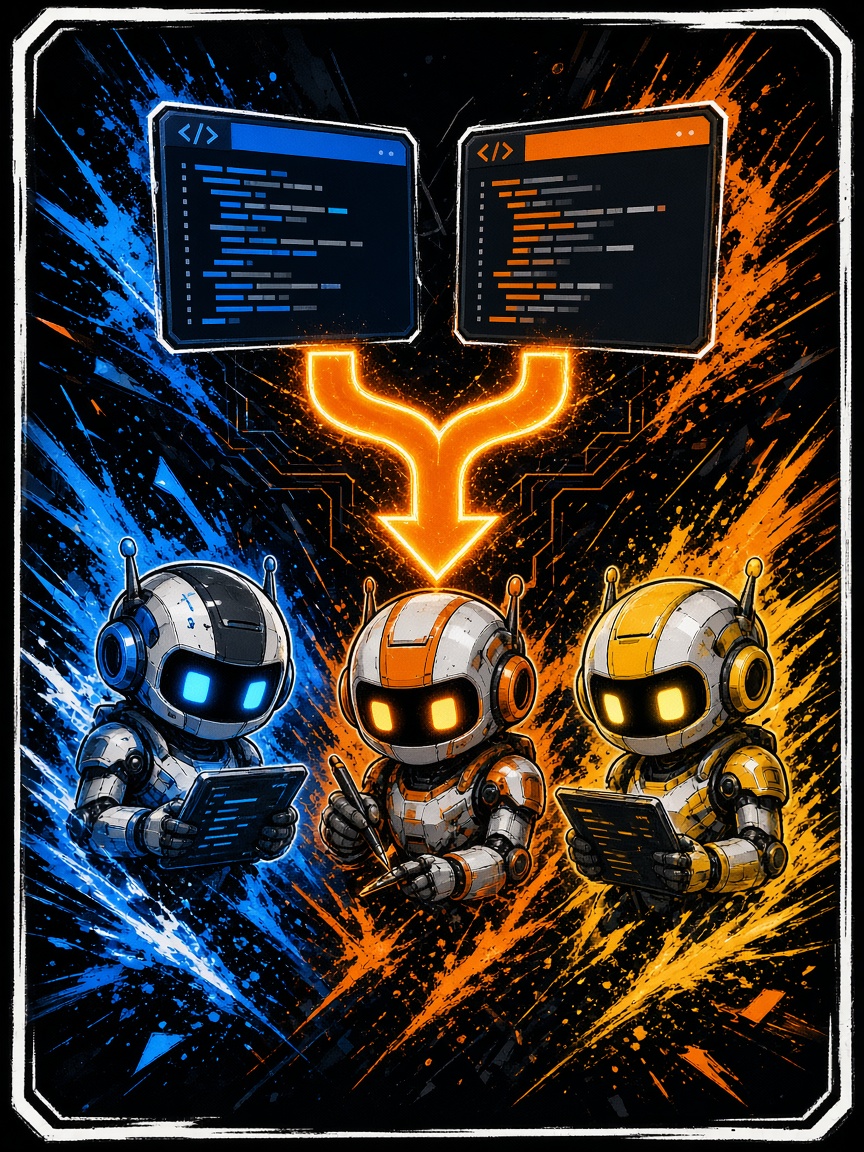
TrustClarity: Orchestrating Google Jules Multi-Agent Delivery on the Buyer Platform
IMPACT:
Four signed merges into develop covering AGENTS.md plus three UAT fixes; one additional thumbnail/search fix with a TypeScript no-suppression governance lesson; durable signed-commit / pull-and-re-PR playbook confirmed across later Jules rounds
Production orchestration of Google Jules on the TrustClarity buyer platform — first and second UAT rounds, signed-commit re-PR playbook, prompt discipline, and AGENTS.md governance that kept parallel cloud sessions safe to merge.
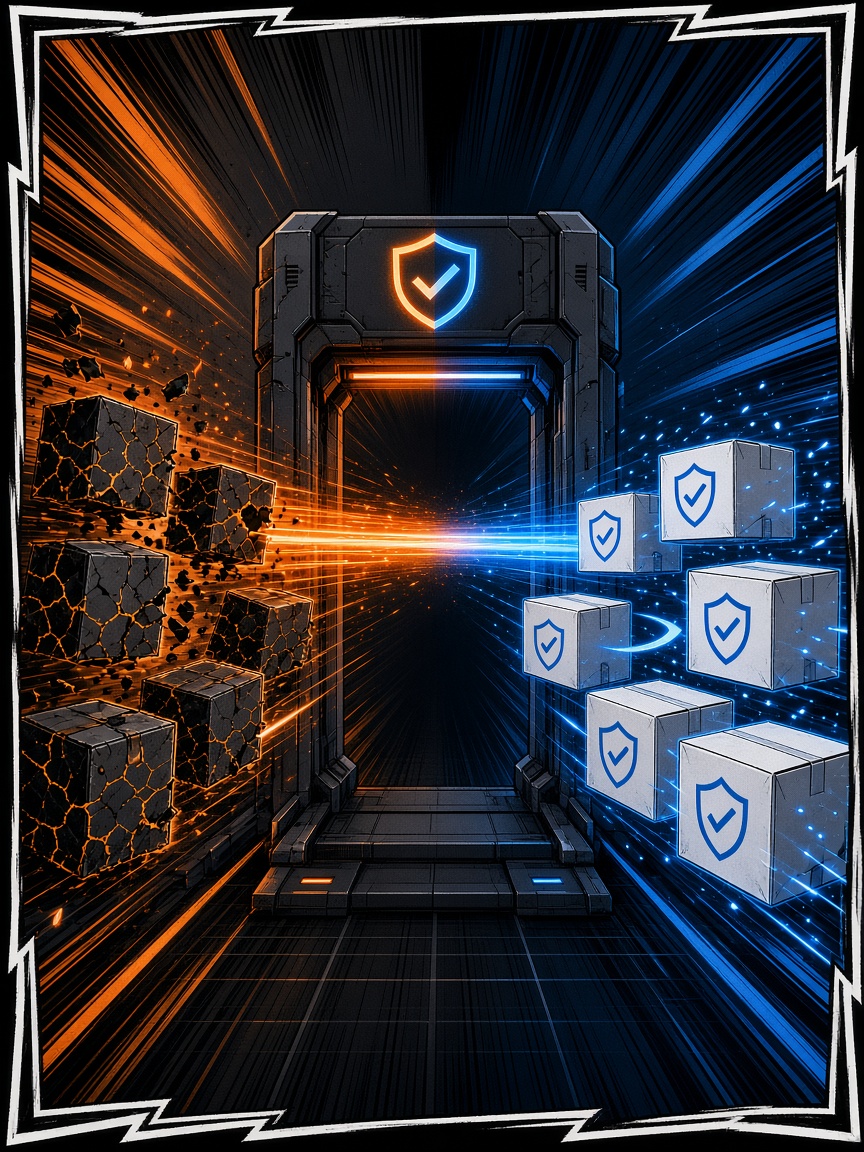
TrustClarity: Supply-Chain Security Analysis and CI/CD Hardening
IMPACT:
14 of 20 repositories remediated before TrustClarity production; 3 attack vectors eradicated; SHA-pinned reusable security-scan workflow rolled out to 20 repos; later SHA-pin and merge-base invisibility controls shipped
Org-wide supply-chain security analysis for TrustClarity — malicious code found in 14 of 20 repositories across three attack vectors, remediated in repos before it reached TrustClarity's own production environment, followed by a SHA-pinned reusable CI/CD security pipeline and later hardening controls.